

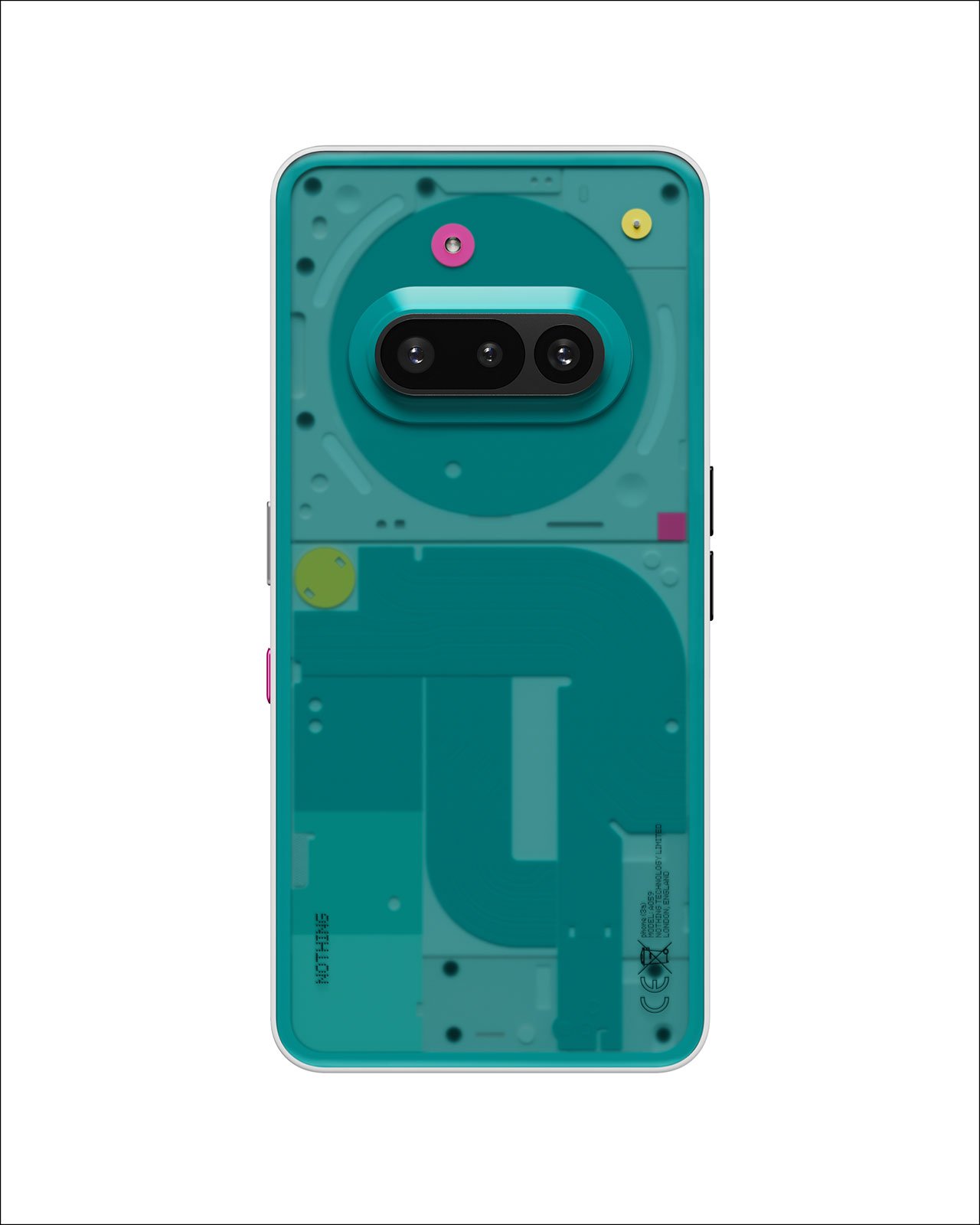
The handheld “screens” – mini computers – we stare into at all times of day have far more adjacency over our lives than we might be willing to accept. Seemingly innoxious, the smart phone – a fixture of our world for close to two decades now – is implicitly prescribed with set modalities that have fundamentally changed our behavior. Most of these elements – hard and soft product components – cannot be altered by the user; other than a few surface-level organizational “options” that wash as true, authentic personalization.
These devices have been carefully engineered by major companies that sell them but respond less and less to the actual needs of the user, favoring the bottom line and at times, nefarious interest of other commercial and governmental entities.
Hardware Design by Emre Kayganacl
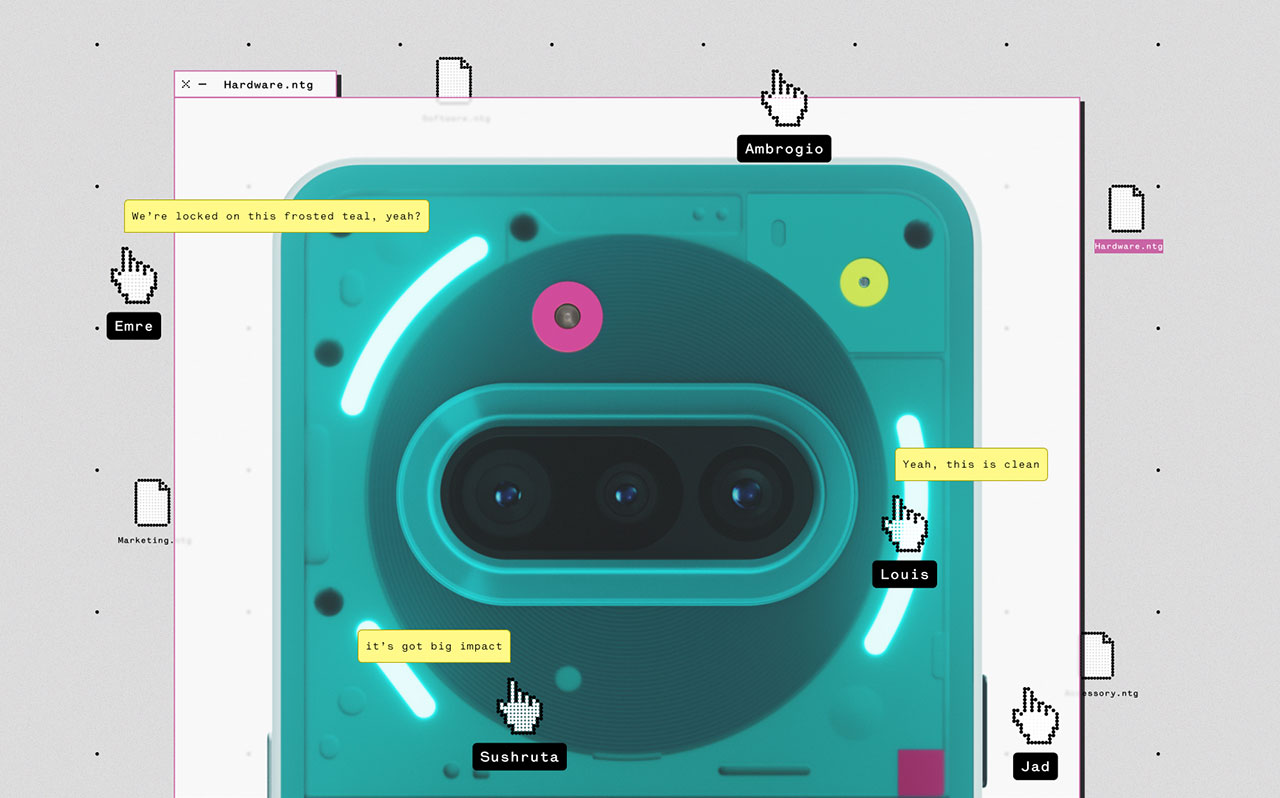
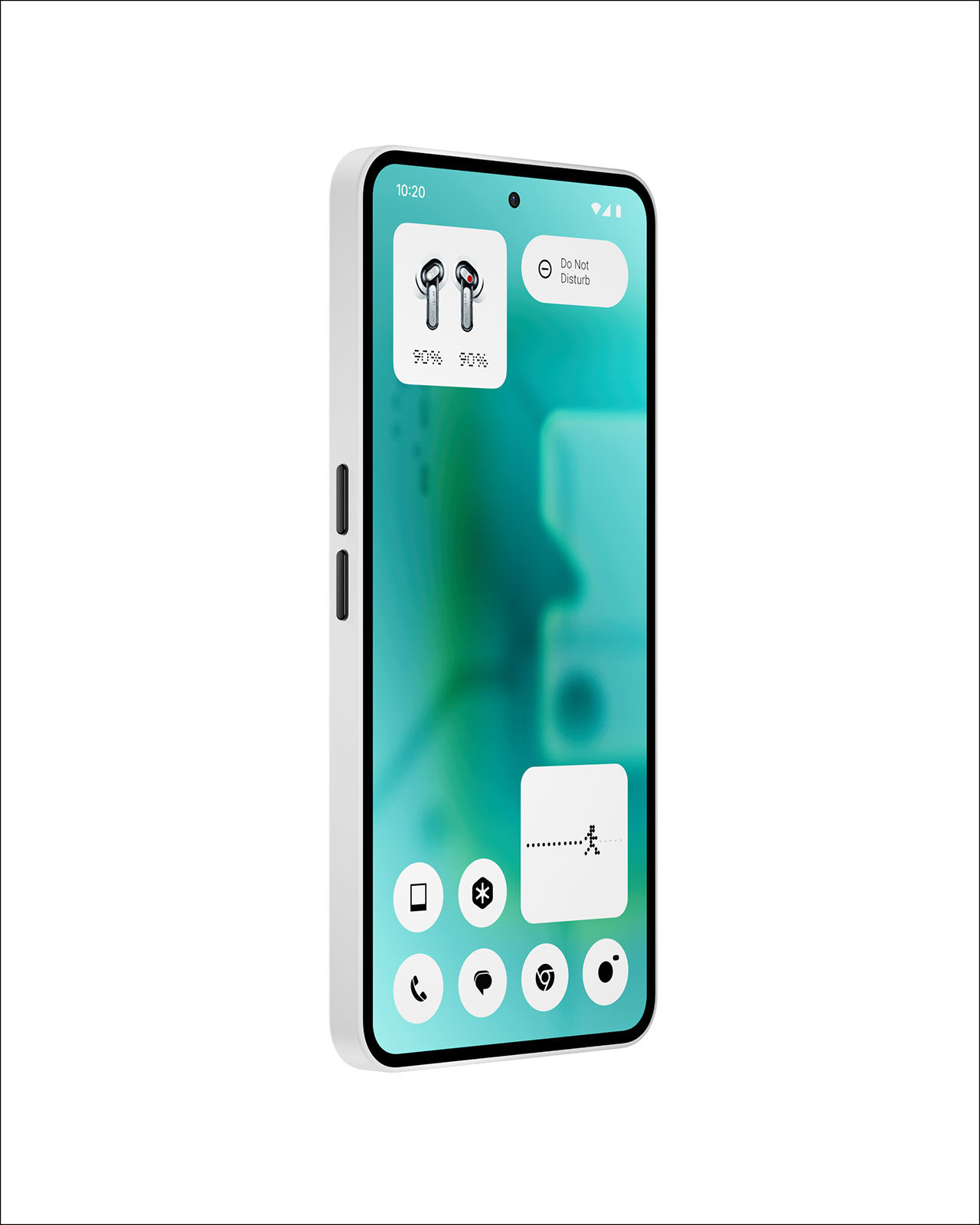
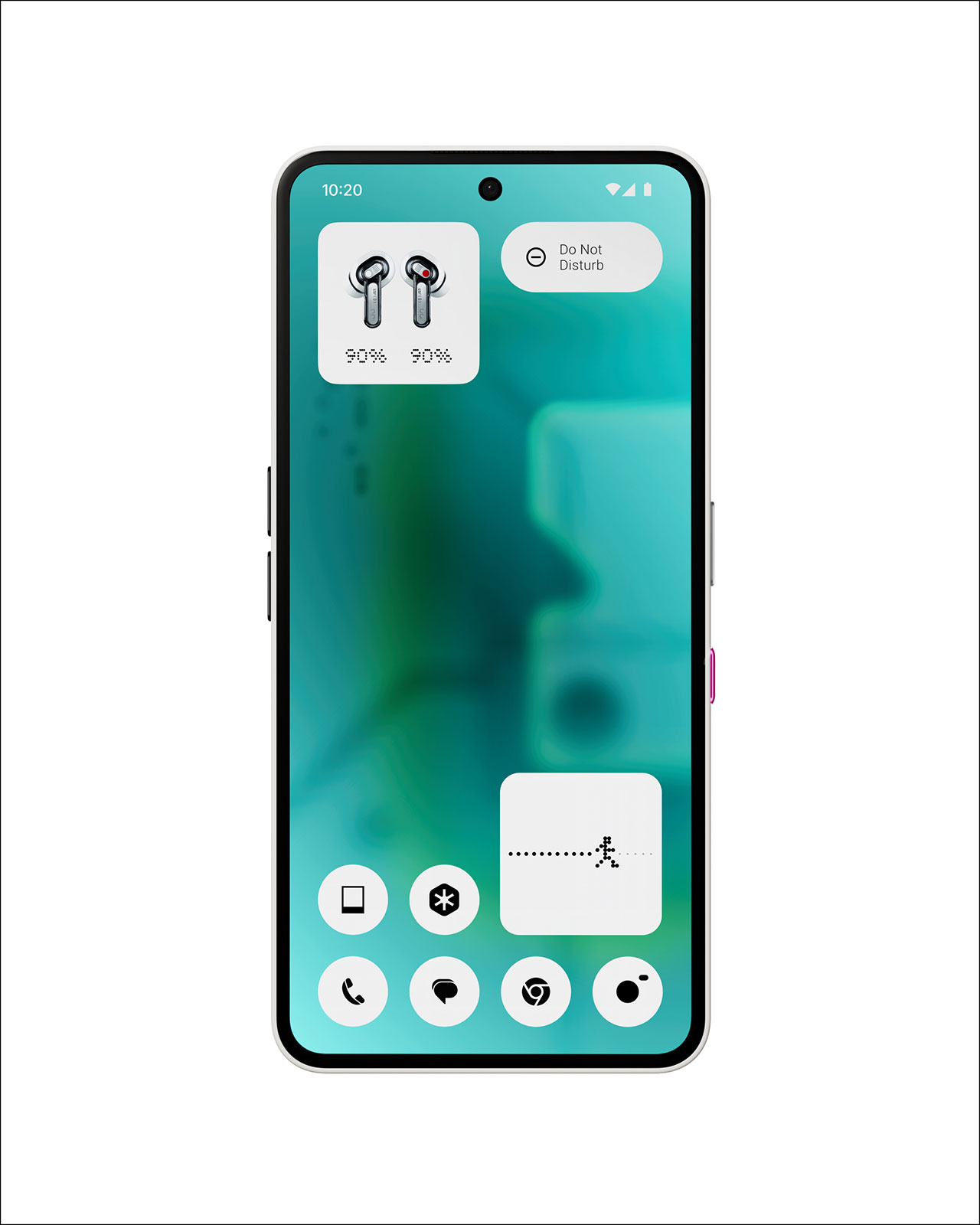
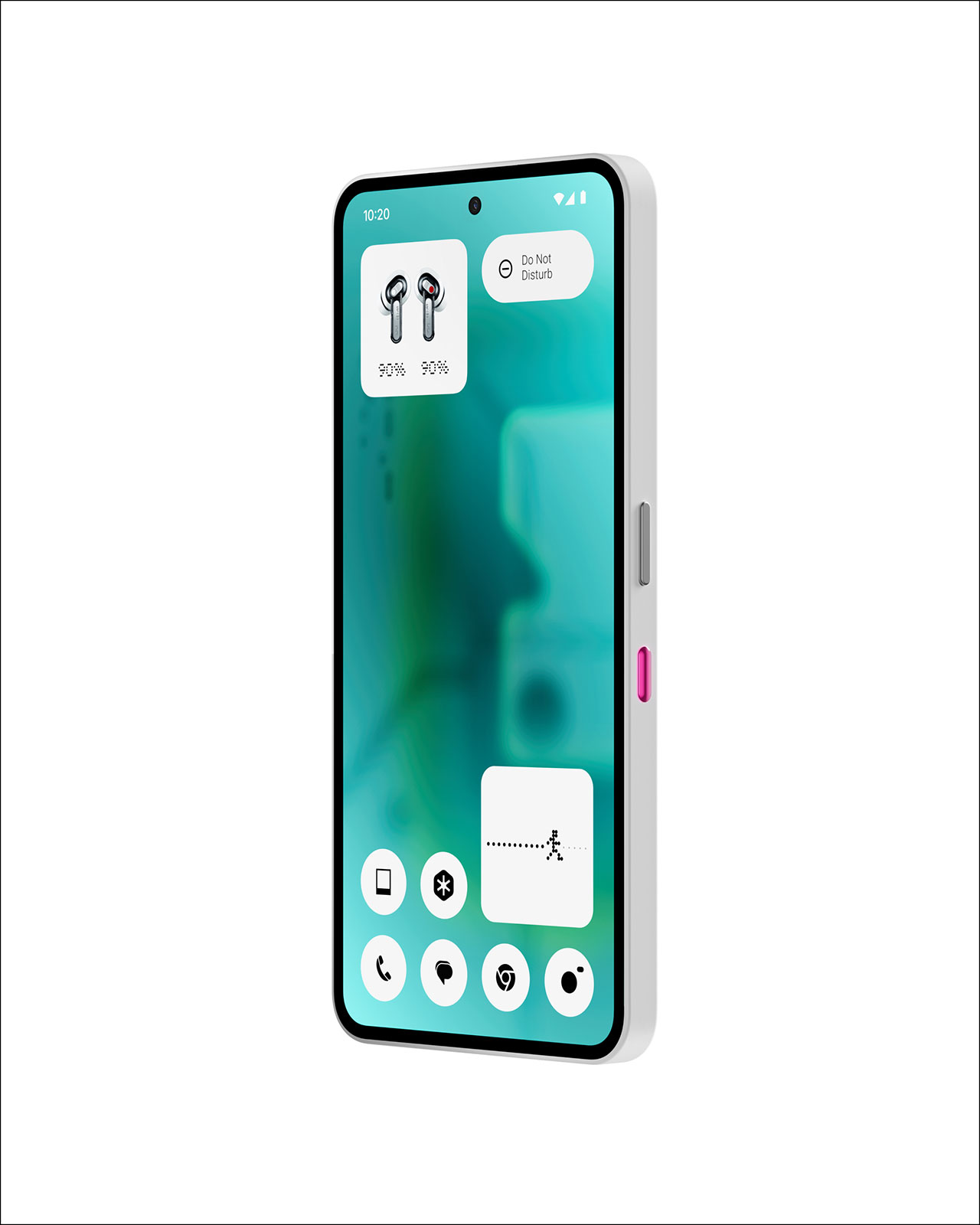
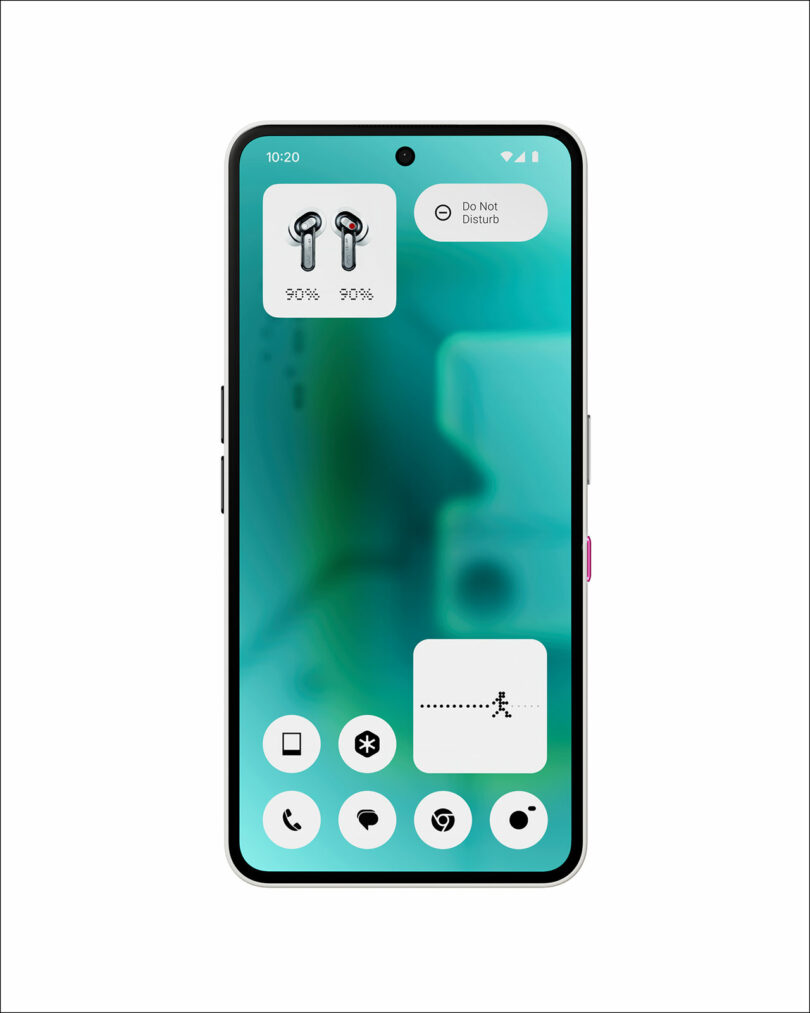
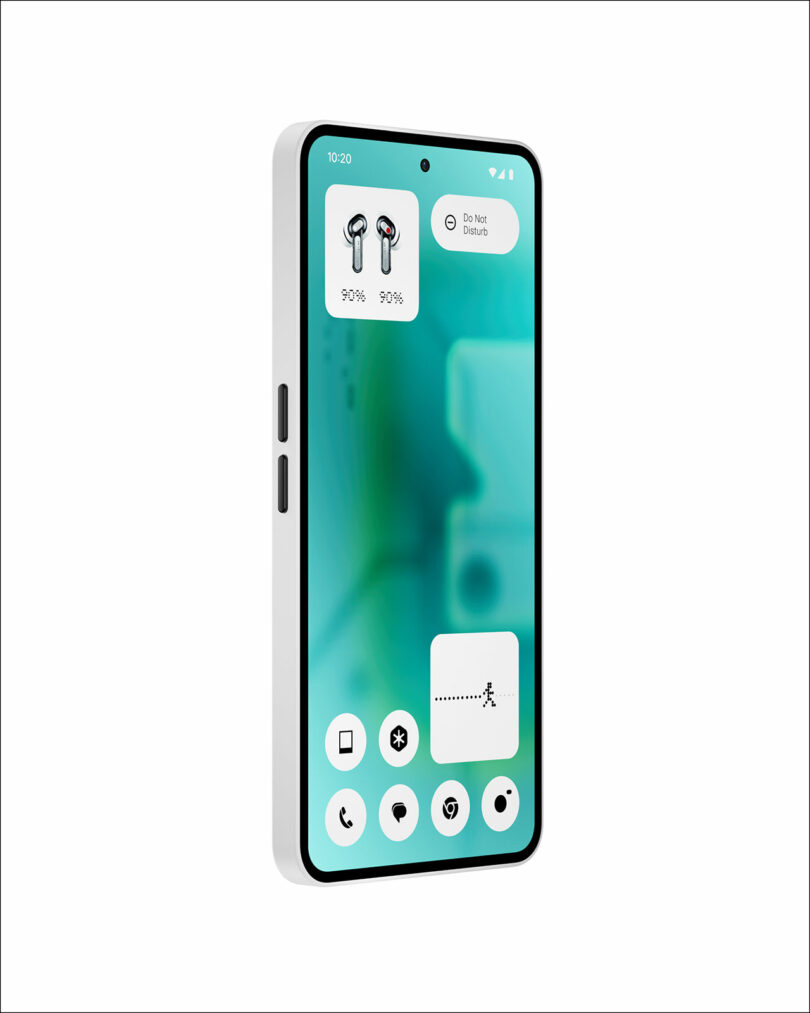
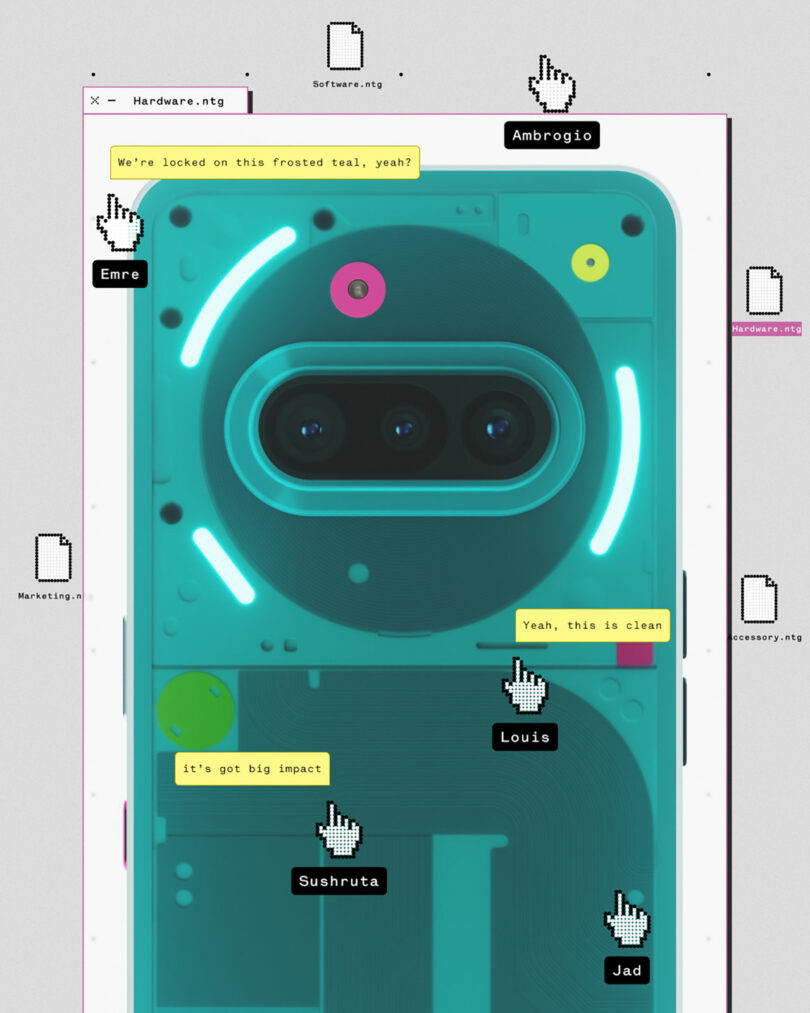
That all changes with industry disrupting tech brand Nothing’s just released, limited run Phone (3a) Community Edition. The maverick device was developed by four loyal customers who suggested ideas for improvement through an open-call submission process that saw over 700 entries come in. This fresh proposition not only represents a paradigm shift in smartphone technology but the practice of product development as a whole; shifting from a top-down take-what-you-get approach to one that’s more lateral and close to self-determination.
Hardware Design by Emre Kayganacl
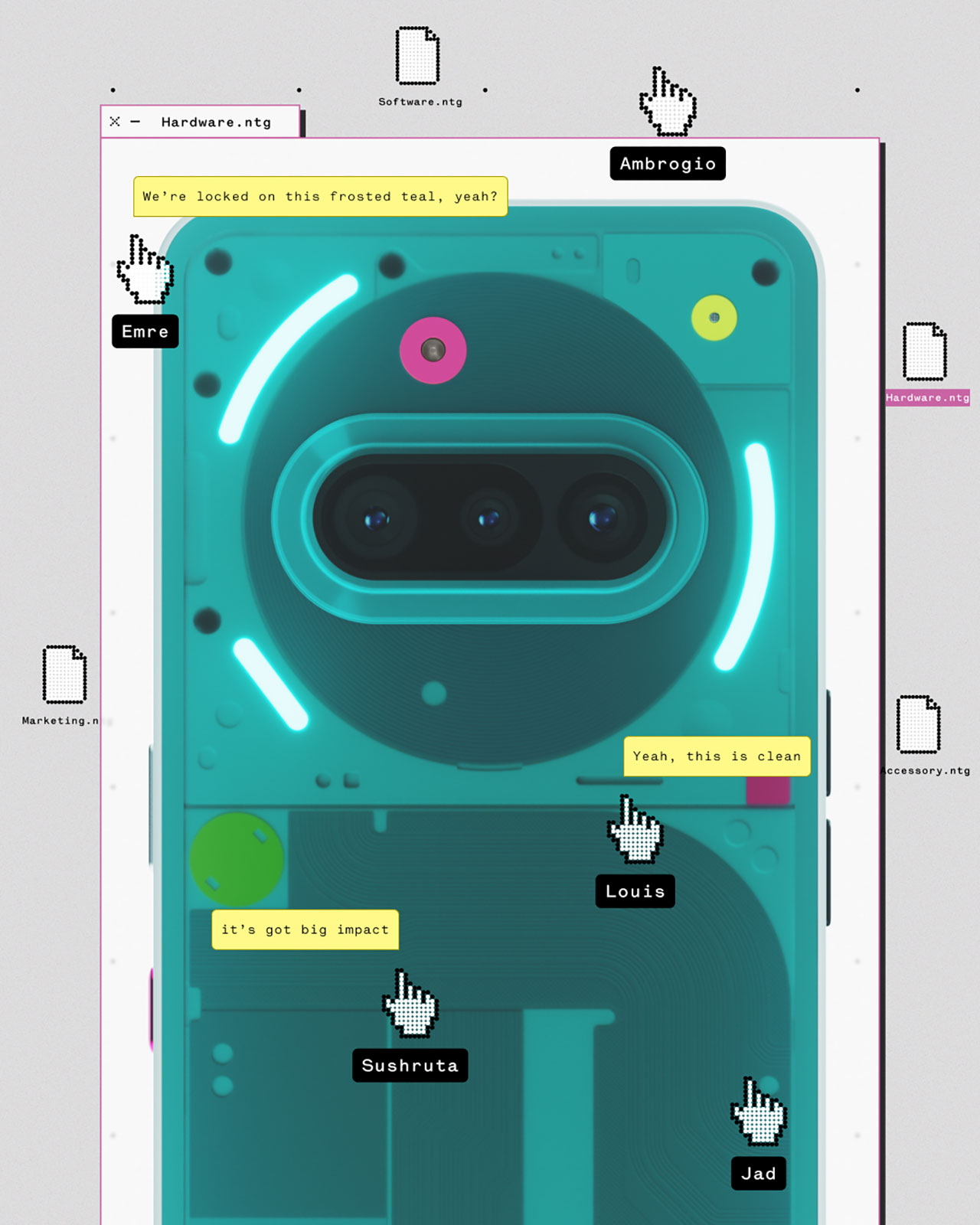
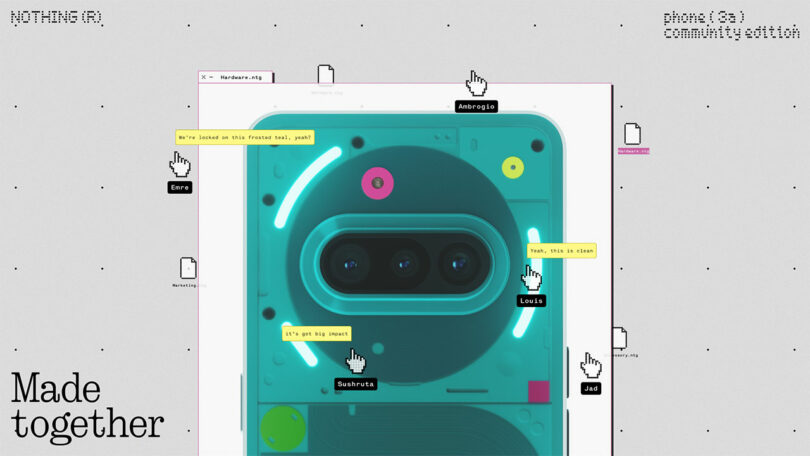
According to the company, this re-tooled methodology treats the community not merely as a feedback loop but a pool of previously unearthed creative talent, giving them the chance to shape the design, software, and promotion of the product. The winners each addressed a key consideration: hardware, accessory, lock screen clock and wallpaper, and marketing. Working closely with Nothing’s London-based team, these unbeknownst whizzes – even if already established to a certain degree or specialized in other areas – were able to see their ideas come to fruition and have an impact.
Hardware Design by Emre Kayganacl
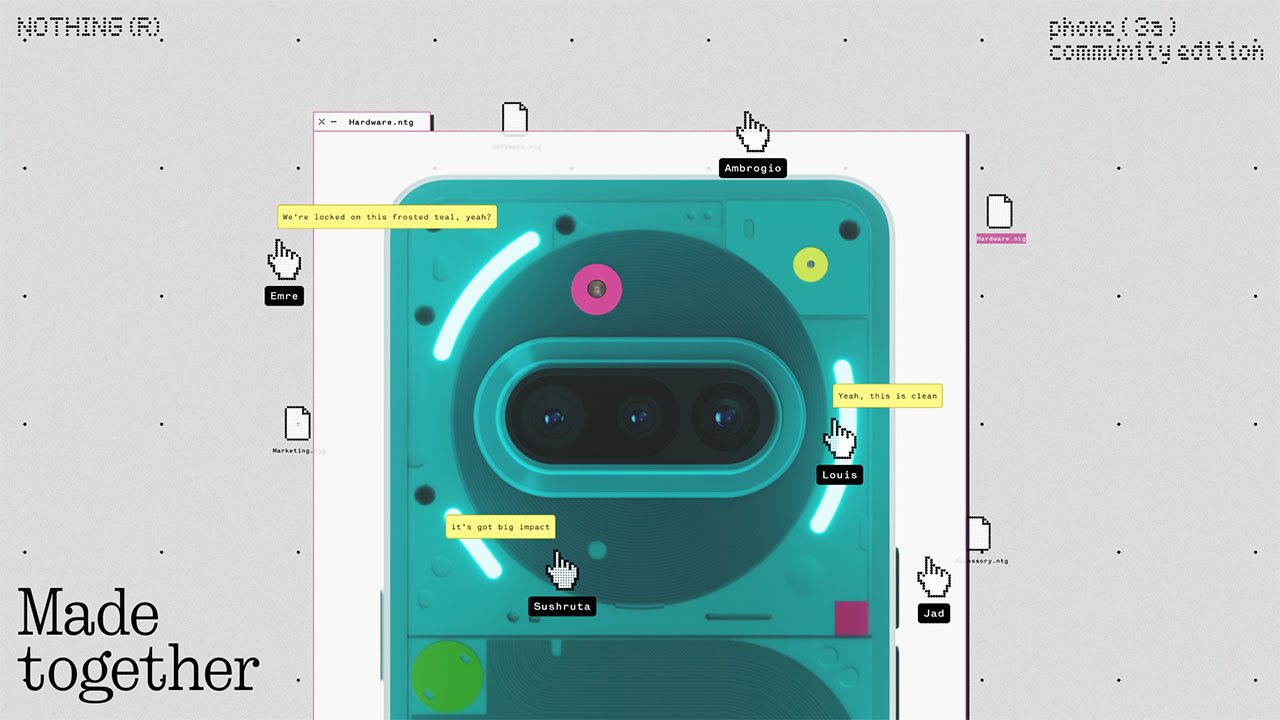
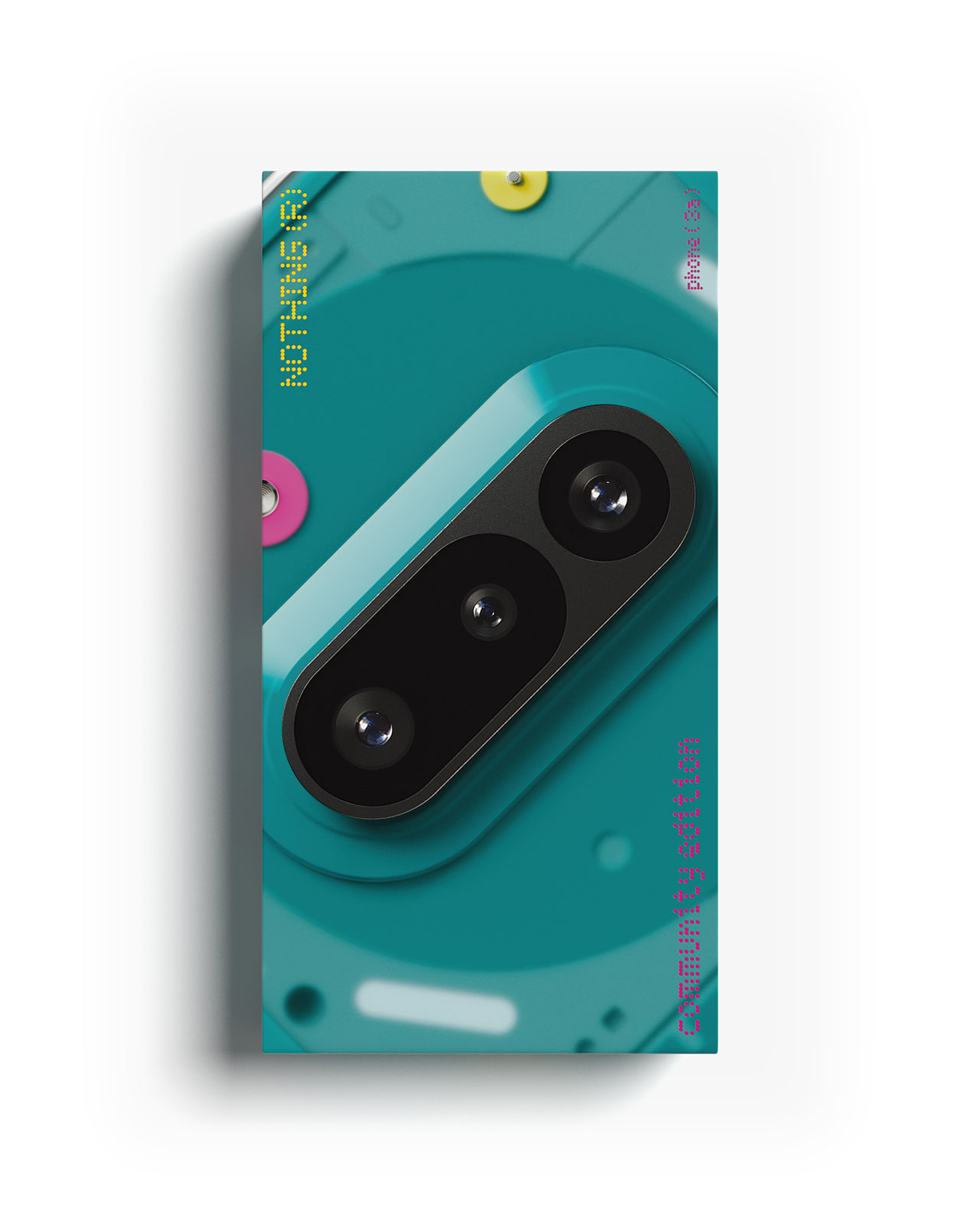
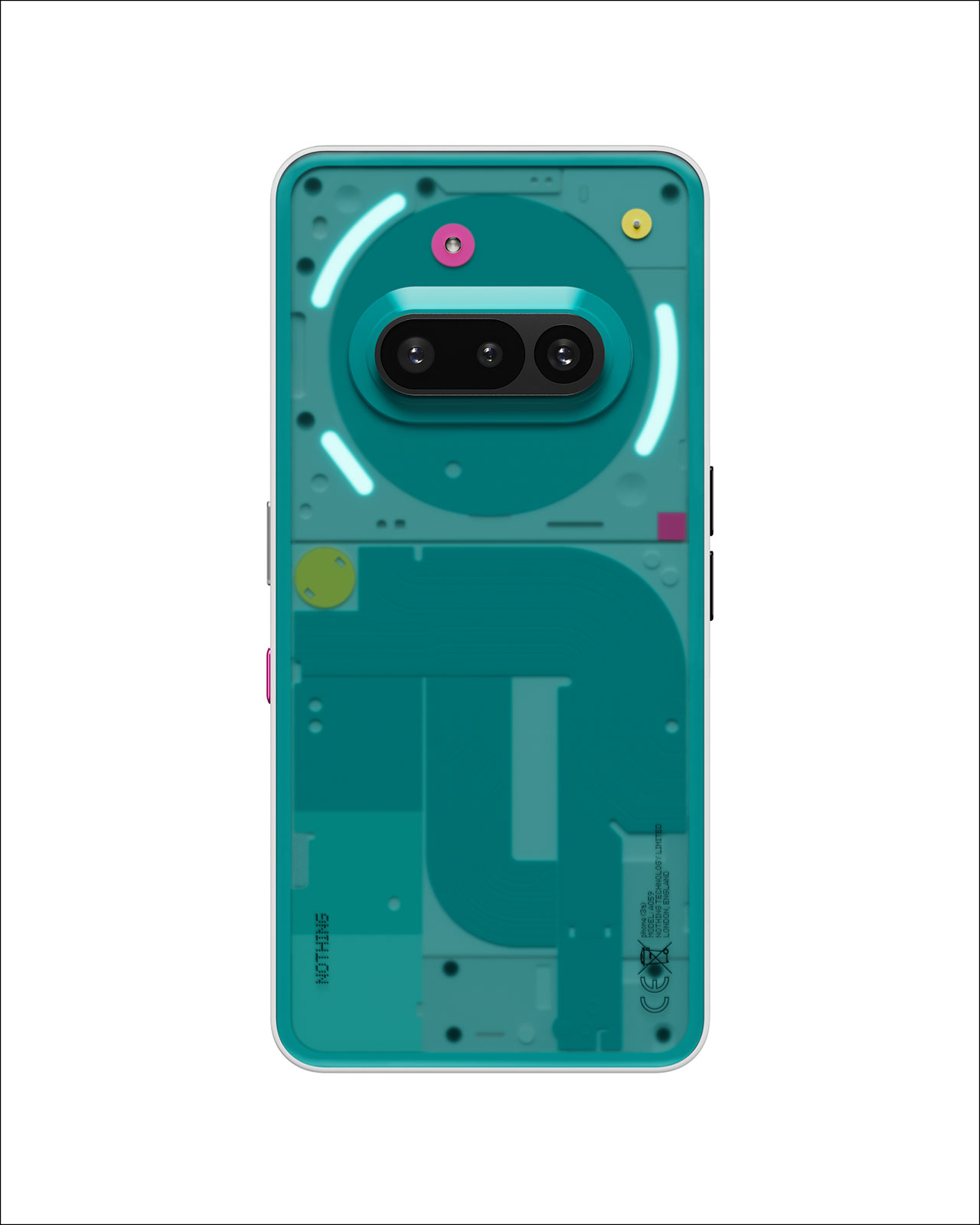
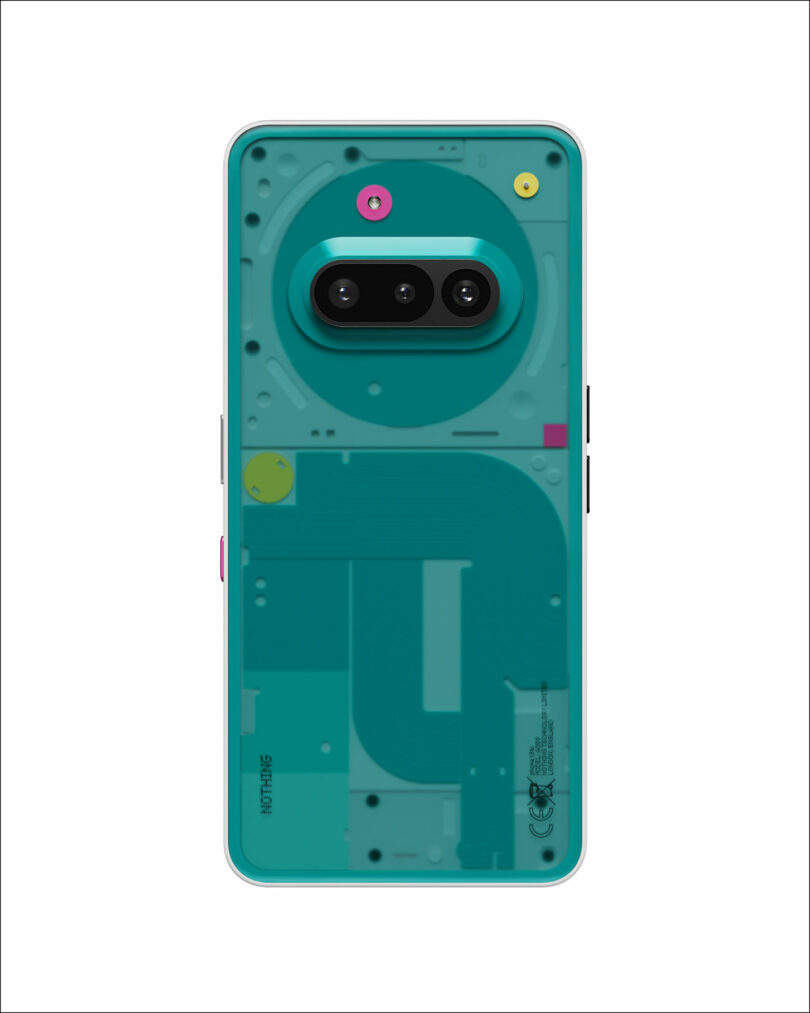
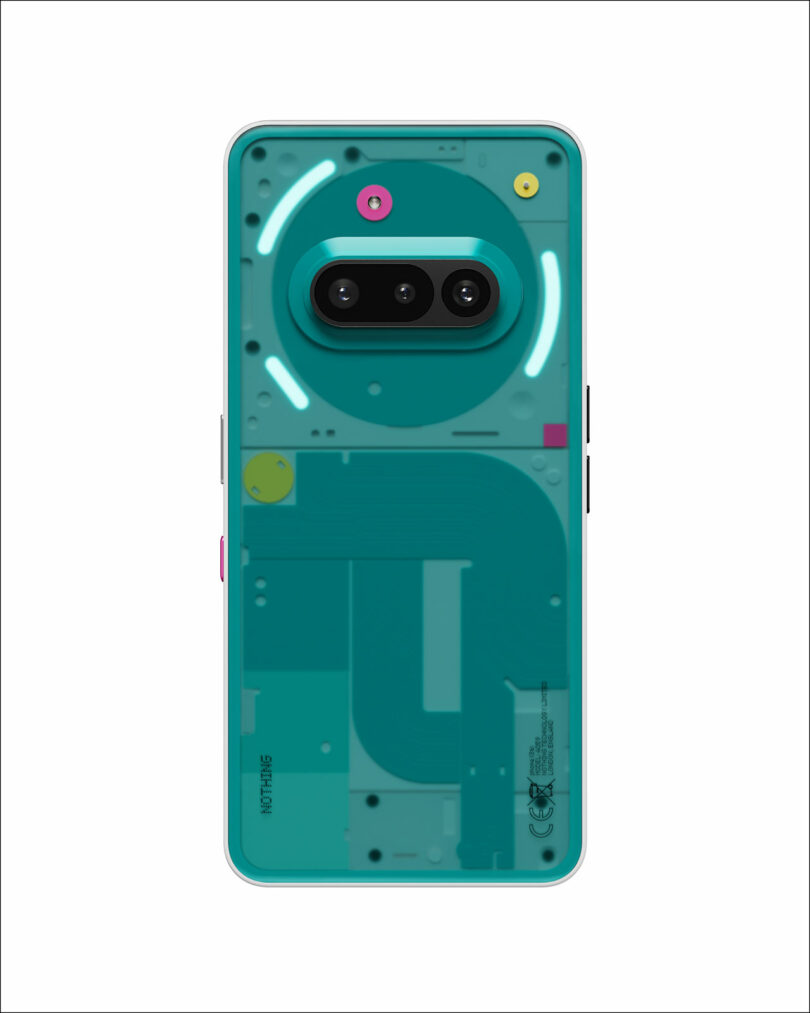
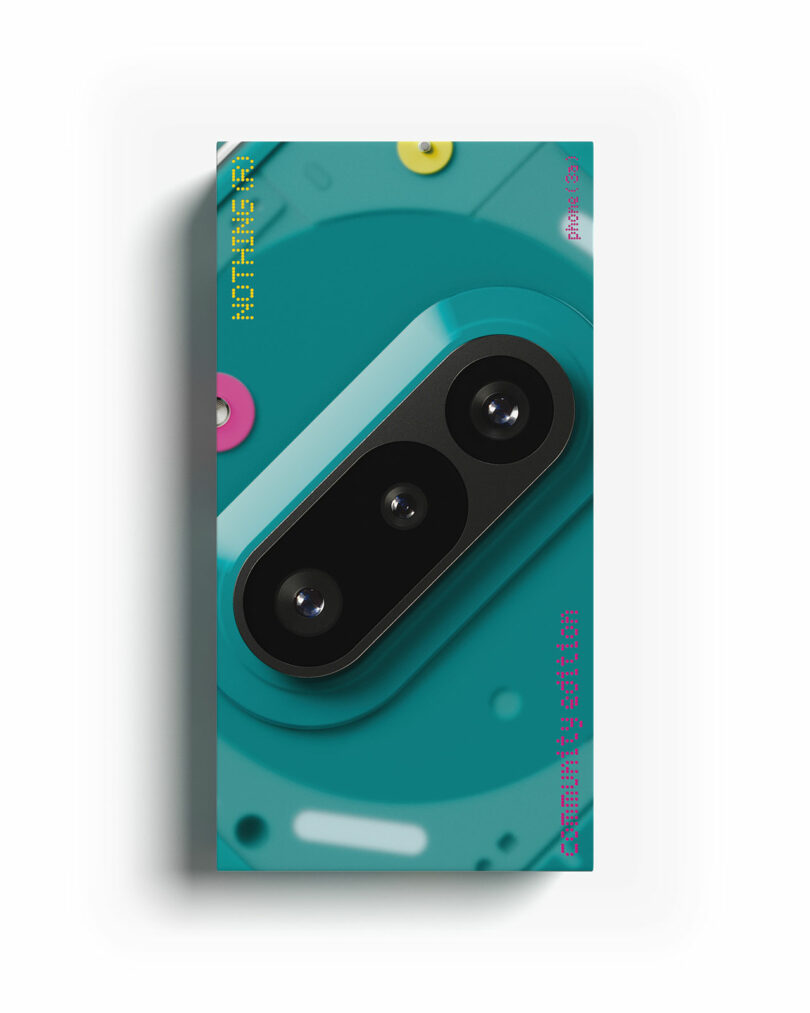
Focusing on the hardware and packaging design, Emre Kayganacl drew inspiration from the nostalgic visual appeal of the late 1990s and early 2000s, a more playful aesthetic sharply contrasting the sleek, infinitesimal look of today’s tech. His deft analysis of this oft-overlooked, implicitly accepted facet brought it back to the fore.
Hardware Design by Emre Kayganacl
“Most phones today treat hardware like it’s something to apologize for – just seal it up, hide it away, make it disappear, make it black and white,” says Kayganacl. “And because of that, people have completely lost any emotional connection to the physical object they’re holding for hours every day.”
Hardware Design by Emre Kayganacl
“I started from a personal place,” he adds. “The devices that made me fall in love with electronics as a kid – the translucent PlayStation, the colored Game Boys, the iMac G3 – they didn’t hide what was inside. They showed it off in a magical way. There was this sense of wonder, like you were holding something alive.”
Hardware Design by Emre Kayganacl

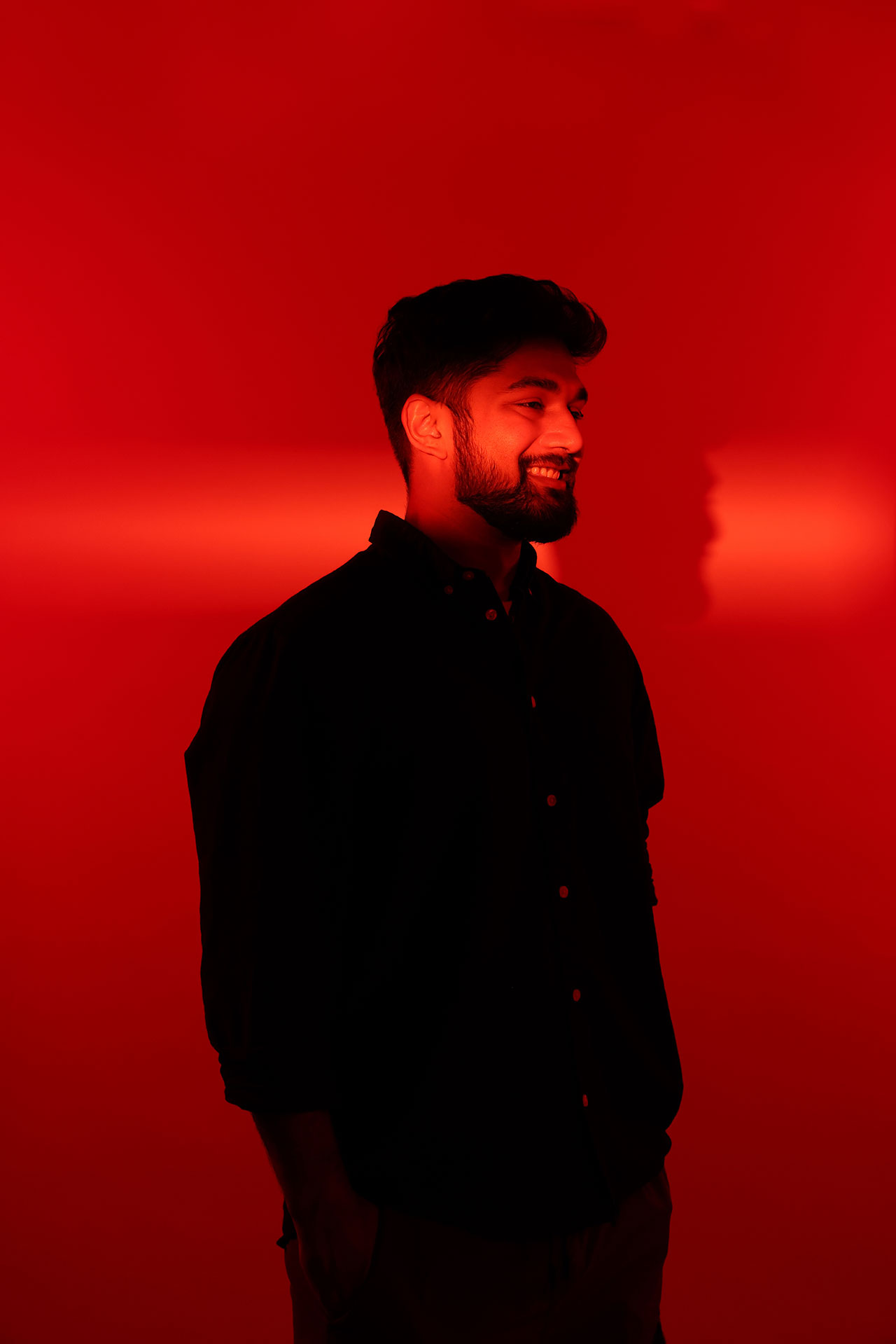
Emre Kayganacl
Software Design by Jad Zock
His intervention wasn’t necessarily a complete retooling – changing of mechanics – but rather a revealing of these components, an honest approach to aesthetics also central to Nothing’s ethos. “The idea is that when you can actually see what’s inside, hardware stops being invisible infrastructure and becomes something you care about again, says Kayganacl.” It’s not just a tool – it’s an object with personality.”

Jad Zock
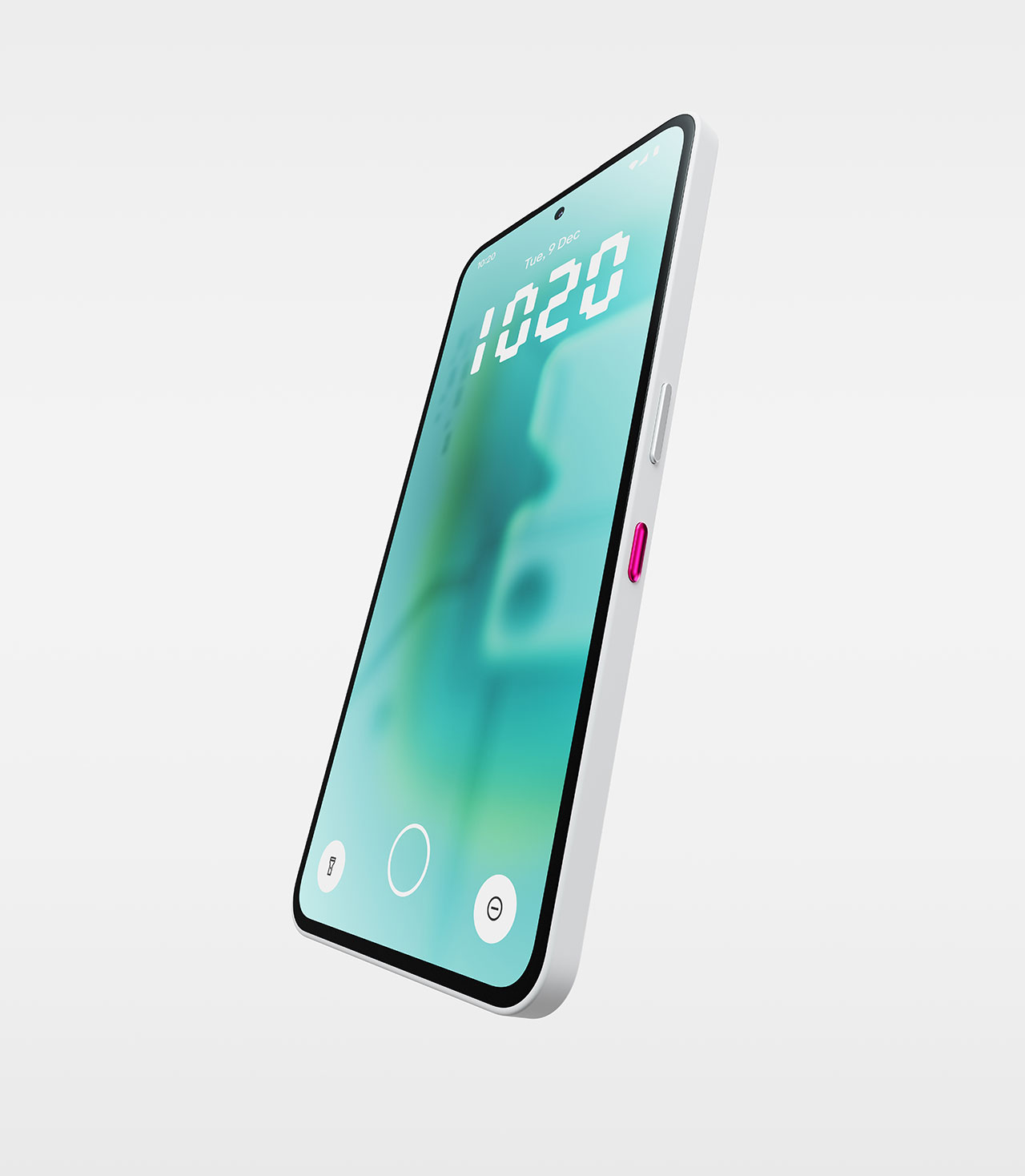
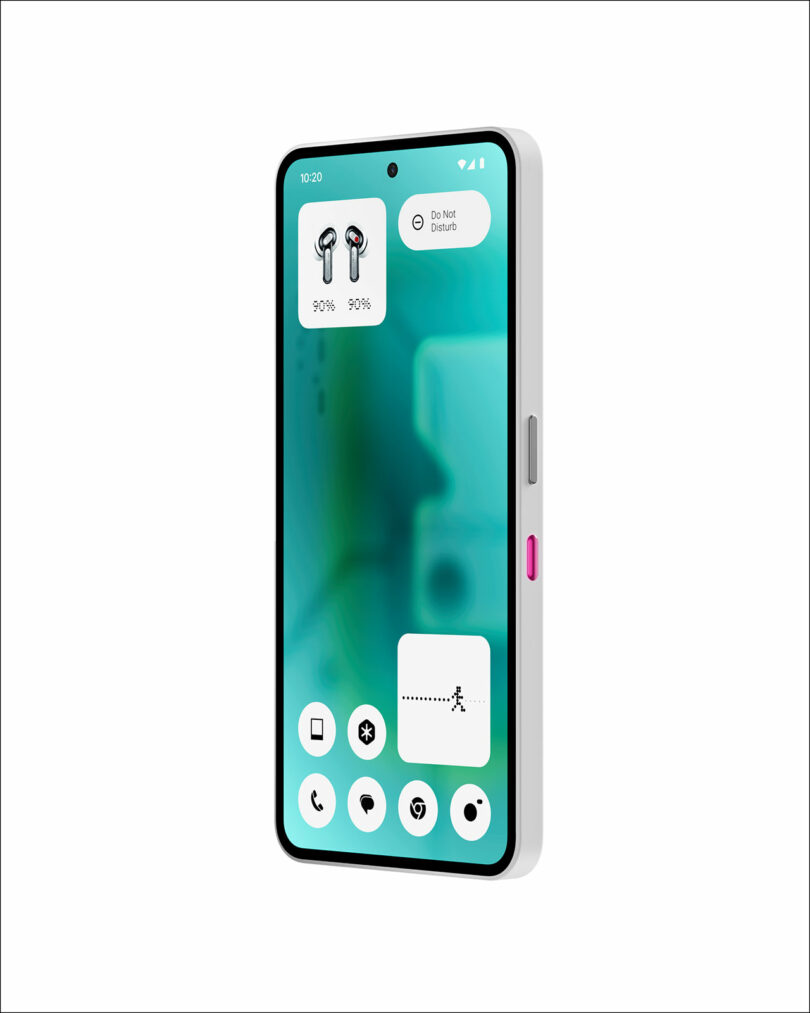
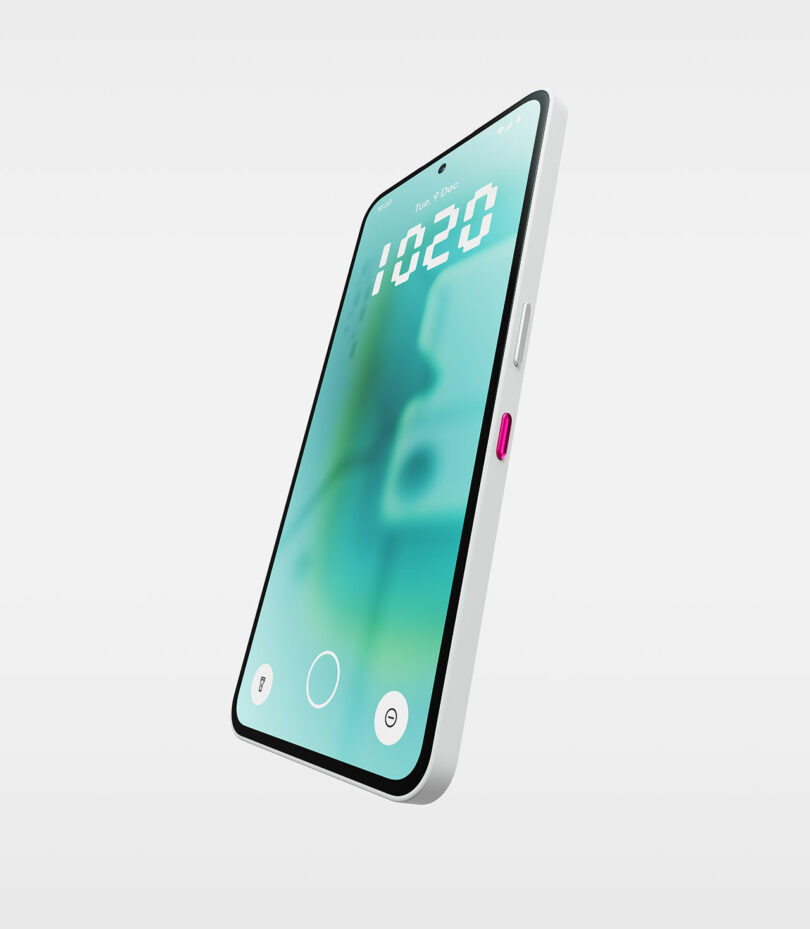
More explicit and immediate to the user in the configuration of the smart phone is the lock screen clock and wallpaper. For this, independent designer Jad Zock imagined a custom clock facebook with varying font weights. “We made the on/off lock screen interaction of the ‘time piece’ a bit more pleasing and interactive,” he says. “The numbers animate in sync with the iris in/out transitions that Nothing had since NOS 1.0. I created a custom variable typeface (numerals only) that spans from light to bold weights to serve that objective. To complement the Community Edition project’s narrative; we toyed with translucency, color blending, and internal device-components to create them.”
Marketing by Sushruta Sarkar
Sushruta Sarkar
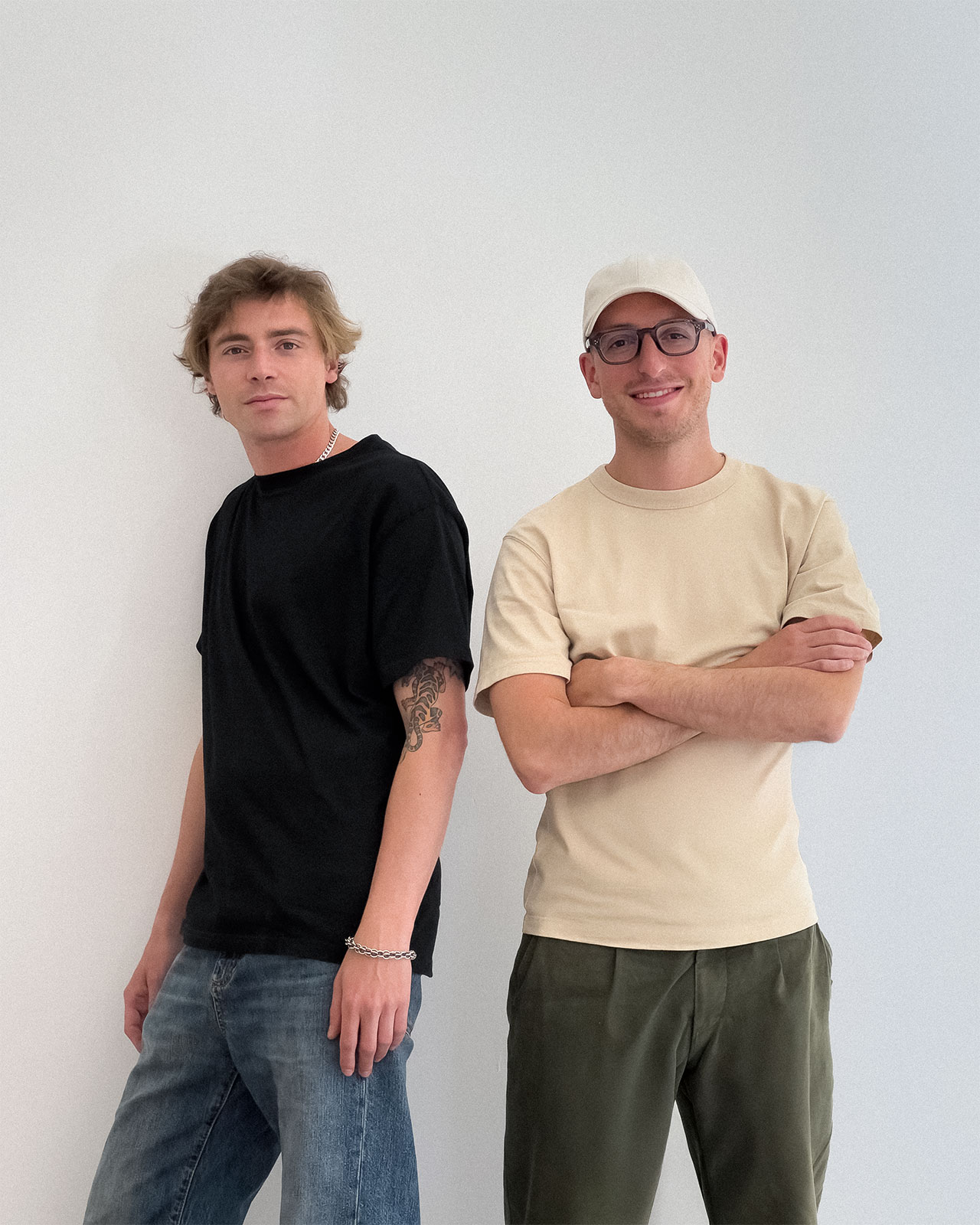
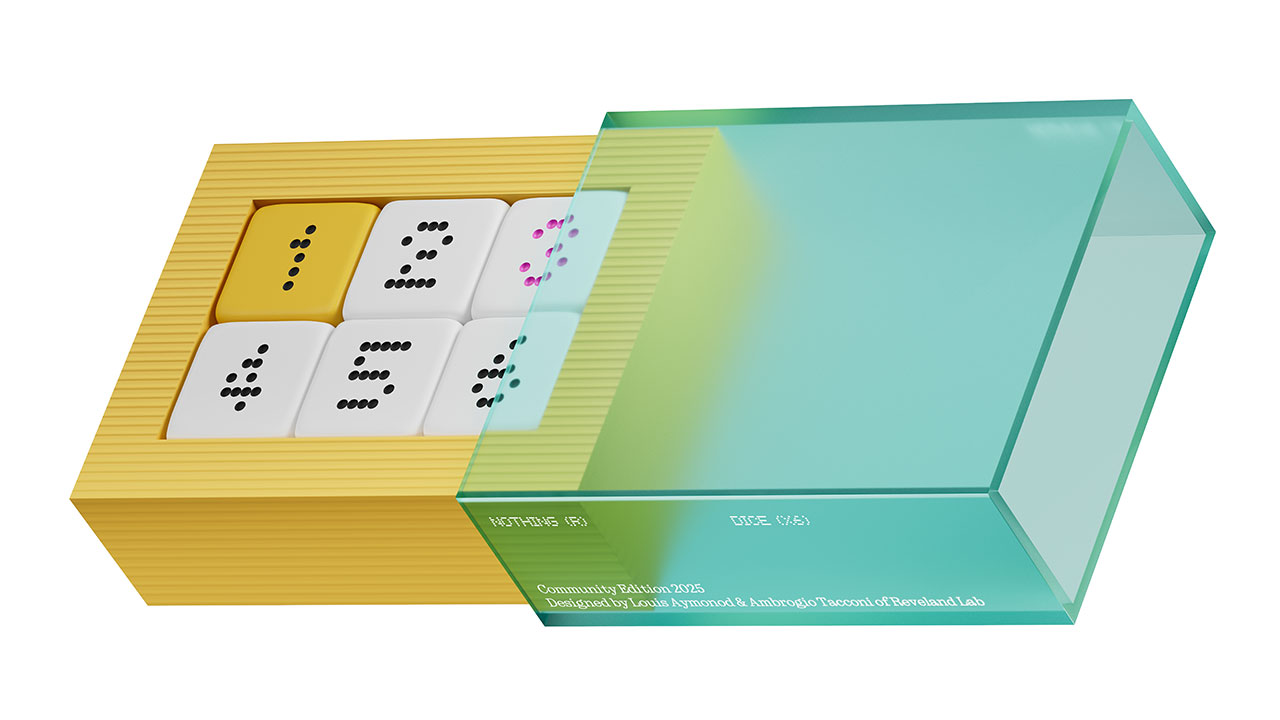
Accessory by Ambrogio Tacconi and Louis Aymonod of Reveland
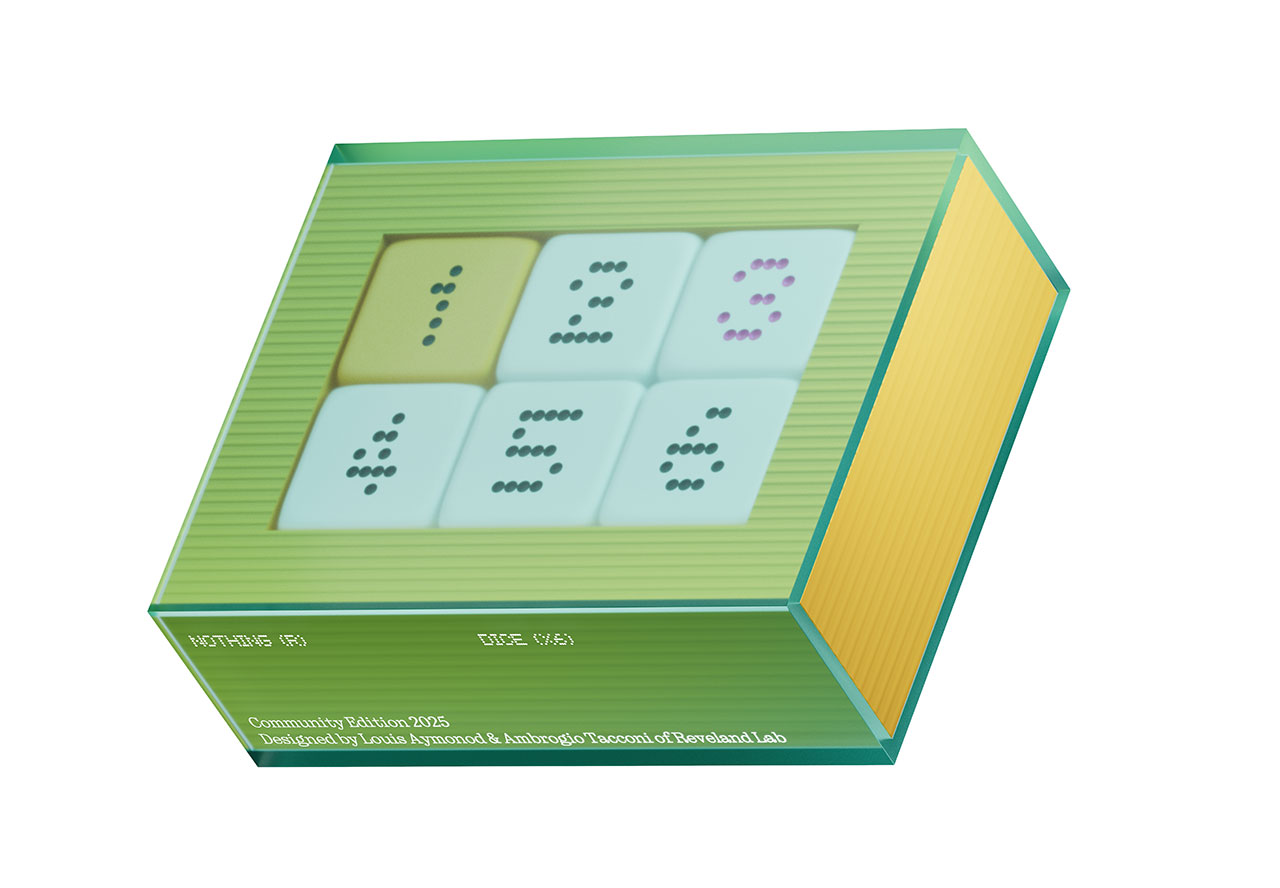
Accessory by Ambrogio Tacconi and Louis Aymonod of Reveland
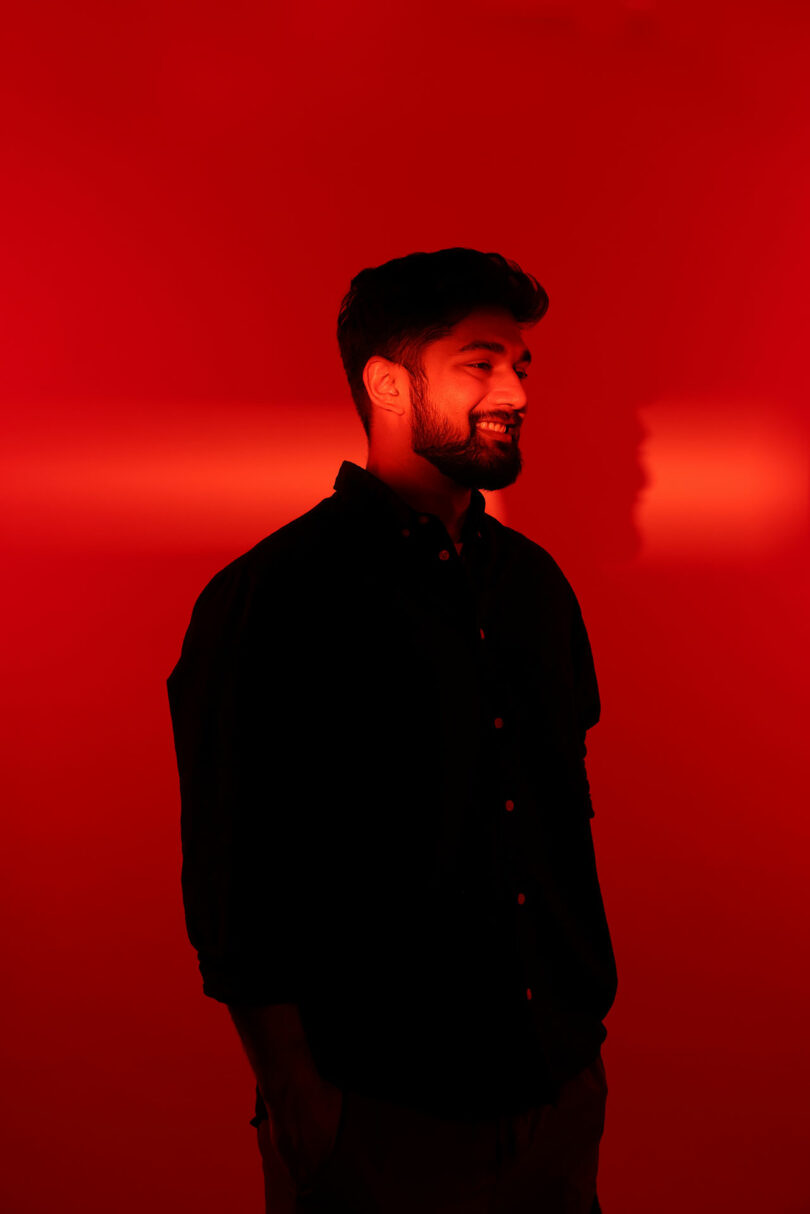
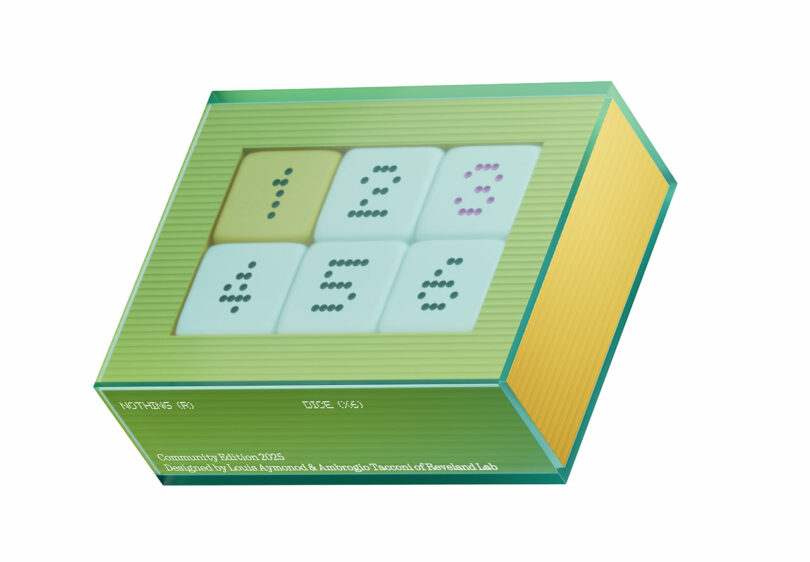
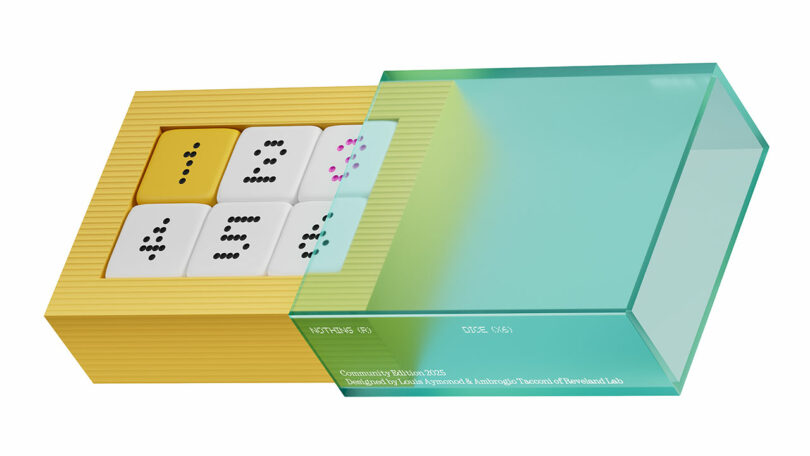
Imagined by Ambrogio Tacconi and Louis Aymonod of multi-disciplinary Milan studio Reveland, Dice is an analog accessory, poetic extension, reflecting the look, form, and function of the phone. Branding and packaging designer Sushruta Sarkar conceived the Made Together marketing campaign highlighting the cooperative nature behind the development of Nothing’s new Phone (3a), produced in just a run of a 1000.
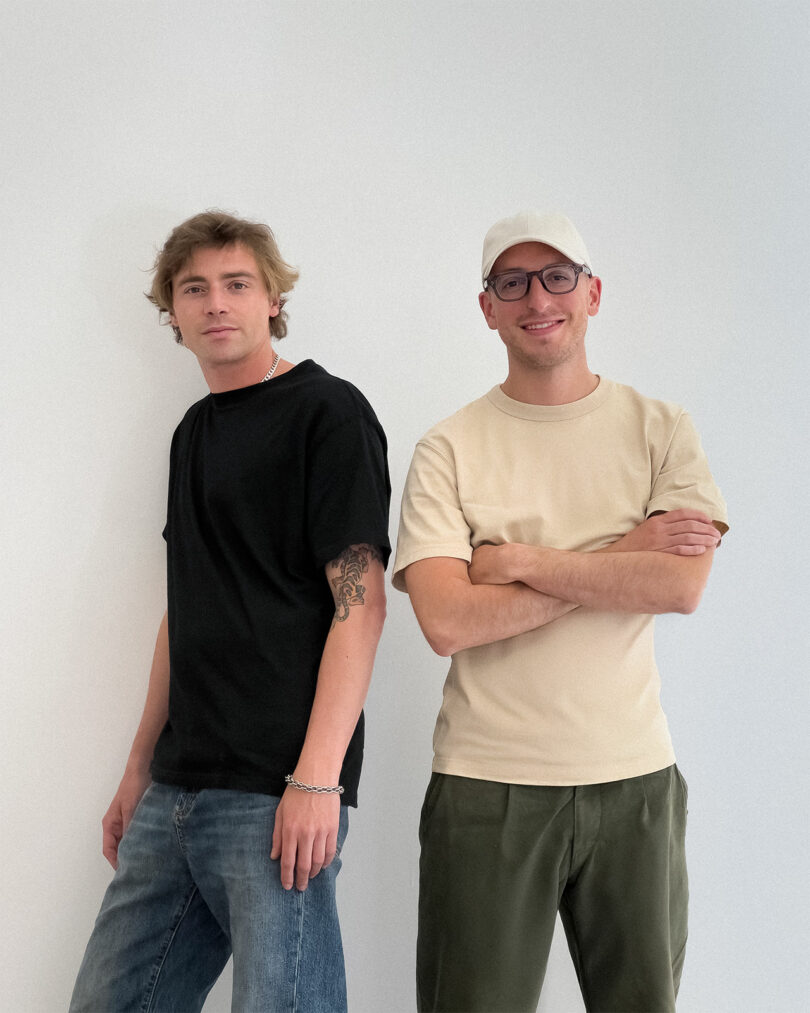
Ambrogio Tacconi and Louis Aymonod of Reveland
For more information on the Nothing Phone (3a) Community Edition, please visit nothing.tech.
Photography courtesy of Nothing.